Raised Garden Bed Installation Service
Affordable Raised Garden Bed Installation
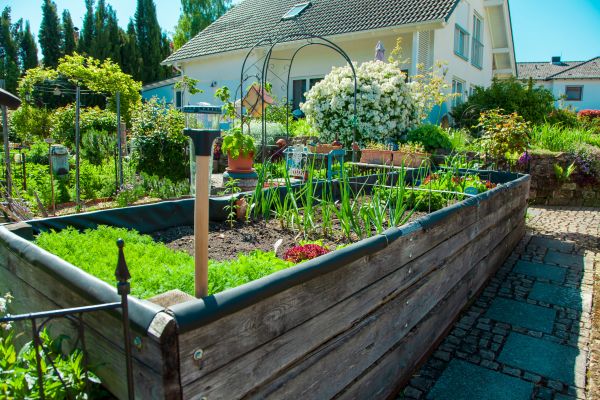
Raised garden bed installation is a transformative step for any gardening enthusiast looking to optimize their outdoor space. By elevating the garden, you gain greater control over soil composition, drainage, and accessibility, which are crucial for healthy plant growth. This method is particularly beneficial for those with limited space or poor soil conditions, as it allows for a more customized and efficient gardening experience. Raised garden beds not only improve the aesthetics of your garden but also enhance the functionality, making it easier to manage and maintain.
Benefits of Raised Garden Bed Installation
-
Improved Soil Quality
Raised garden beds allow you to fill the space with high-quality soil tailored to the needs of your plants. This control over soil composition means you can avoid the challenges of poor native soil, such as clay or sand, which can impede plant growth. With better soil, plants have access to the nutrients they need to thrive. -
Enhanced Drainage
Proper drainage is essential for plant health, and raised beds naturally facilitate better water management. The elevation allows excess water to drain away, preventing waterlogging and root rot. This is particularly advantageous in areas with heavy rainfall or poor drainage. -
Increased Accessibility
Gardening can be physically demanding, but raised beds reduce the need for bending and kneeling, making it easier for individuals of all ages and abilities to participate. The elevated height can be customized to suit your needs, promoting a more comfortable gardening experience. -
Extended Growing Season
Raised beds can warm up faster in the spring and maintain warmth longer into the fall, extending the growing season. This means you can plant earlier and harvest later, maximizing your garden's productivity.
FAQs About Raised Garden Bed Installation
What materials are best for building a raised garden bed?
Common materials include wood, metal, and stone. Each has its pros and cons, but untreated cedar or redwood are popular choices due to their natural resistance to rot and pests.
How deep should a raised garden bed be?
A depth of 12 to 18 inches is generally sufficient for most vegetables and flowers. However, deeper beds may be needed for root vegetables like carrots and potatoes.
Can raised garden beds be installed on any surface?
Yes, raised garden beds can be installed on a variety of surfaces, including soil, grass, and even concrete. The key is to ensure proper drainage and stability.
How often should I water my raised garden bed?
The frequency of watering depends on factors such as climate, soil type, and plant needs. Generally, raised beds may require more frequent watering than in-ground gardens due to better drainage.
Fill out the contact form to request Raised Garden Bed Installation today and enjoy the numerous benefits of a professionally installed system. Experience improved soil quality, enhanced drainage, increased accessibility, and an extended growing season with your new raised garden bed.